The U.S. stock market is heading into one of its most important weeks of the fall, and artificial intelligence remains at the center of the conversation. Investors are no longer satisfied with hearing how powerful AI could become. They want to know how much money it can actually make.
That distinction is becoming increasingly important as technology companies continue pouring billions of dollars into data centers, advanced chips, cloud infrastructure, and AI development. The spending has created enormous opportunities for some businesses, but it has also raised a difficult question: How long will investors keep funding the AI race before demanding stronger financial returns?
On Monday, U.S. stocks rebounded, with the S&P 500 rising approximately 0.7%, the Nasdaq gaining 0.8%, and the Dow Jones Industrial Average adding 0.3%. Nvidia shares also climbed as investors looked ahead to a packed earnings calendar and the Federal Reserve’s upcoming interest-rate decision.
The recovery was encouraging, but it did not eliminate the concerns that have weighed on technology shares throughout October.
This week, Nvidia (NASDAQ: NVDA) and Microsoft (NASDAQ: MSFT) stand out as two stocks capable of influencing the broader market’s direction. Meanwhile, Meta Platforms’ recent struggles offer a reminder that even profitable technology giants can face pressure when their spending plans grow faster than investor confidence.
The bigger story is not whether AI is here to stay. It is whether the companies leading the revolution can turn extraordinary investment into extraordinary business results.
Nvidia: The AI Leader Must Keep Delivering
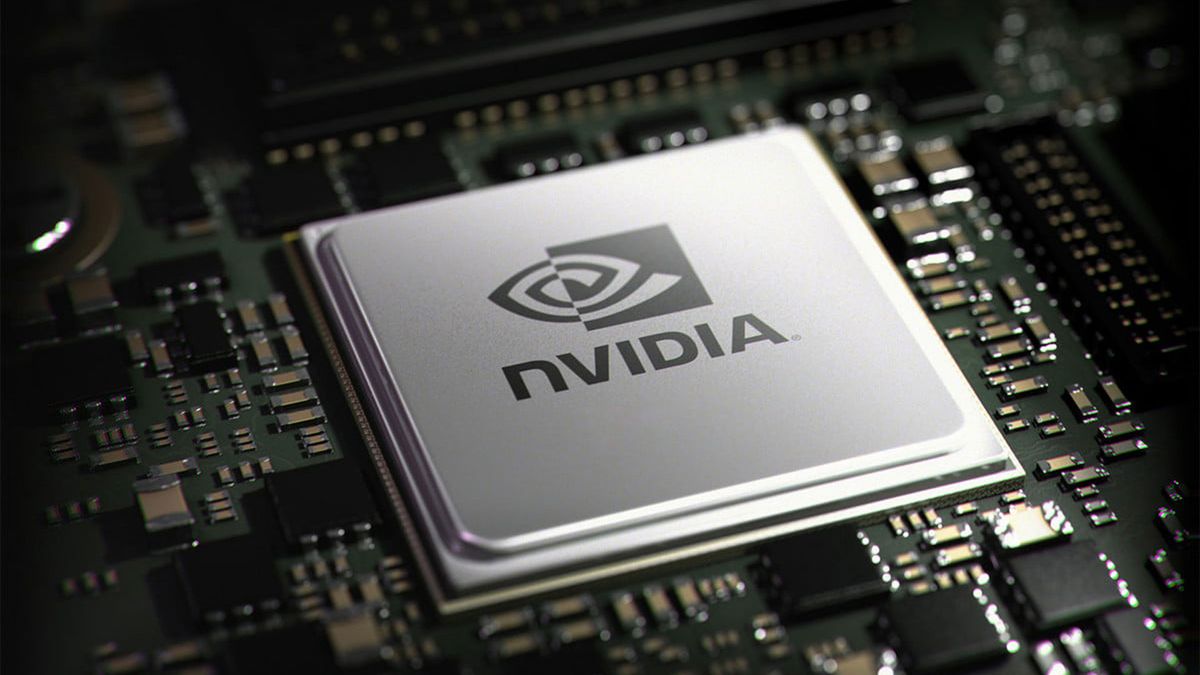
Nvidia remains one of the most important companies in the artificial intelligence ecosystem. Its graphics processing units power many of the advanced AI systems being developed by technology companies, cloud providers, and businesses worldwide.
Demand for computing power has helped transform Nvidia into a central player in the AI investment boom. However, the stock now faces a more complicated environment than it did during the earliest stages of the rally.
Investors are increasingly concerned about the financial sustainability of the AI infrastructure buildout. Building data centers requires substantial capital, while the cost of electricity, networking equipment, and computing systems continues to make large-scale projects expensive.
There is also the question of customer returns. If cloud providers and other major customers cannot generate sufficient revenue from their AI investments, they may eventually become more cautious about expanding their infrastructure budgets.
That would not necessarily mean demand for Nvidia’s products disappears. It would, however, make the pace of future growth more important to the stock’s valuation.
What could happen next?
The most probable near-term scenario is continued volatility rather than a straight-line rally. Nvidia could recover further if upcoming earnings from major cloud providers confirm that AI demand remains strong and spending plans are intact.
On the other hand, even solid results may not be enough if management teams signal that investment growth is slowing or that returns are taking longer than expected.
For investors, the key distinction is between a strong company and a stock that can continue exceeding expectations. Nvidia can remain a dominant AI business while its shares experience meaningful corrections along the way.
Outlook: Constructive over the longer term, but more cautious over the next several weeks. Evidence of sustained demand and healthy customer spending would support the bullish case. Any signs of a meaningful slowdown could trigger further selling.
Microsoft: The AI Opportunity With a Business Model Behind It
Microsoft offers a somewhat different angle on the AI story.
Through its Azure cloud platform, enterprise software, and AI products, the company can generate revenue from businesses adopting AI rather than relying solely on selling the infrastructure needed to develop it.
This distinction matters because enterprise customers generally need more than an impressive demonstration. They need AI tools that improve productivity, simplify workflows, protect data, and justify their cost.
Microsoft has an established customer base and a broad software ecosystem that can help it distribute AI products to businesses already using its services. That gives the company multiple potential routes to monetize AI adoption.
Its upcoming earnings report on Wednesday, October 28, will therefore be particularly important.
Investors will be watching Azure’s growth, demand for AI-related cloud services, adoption of AI productivity tools, and the company’s capital expenditure plans. They will also want evidence that its growing investment is producing revenue opportunities capable of supporting future profitability.
The challenge is that Microsoft’s AI ambitions require substantial infrastructure spending. If expenses rise too quickly relative to the revenue generated, investors could question whether the company’s returns justify the investment.
What could happen next?
Microsoft has a plausible path to continued growth because AI can complement an existing business that already generates substantial recurring revenue. That makes its opportunity different from that of companies whose fortunes depend on a single AI product or a narrow infrastructure niche.
A strong earnings report, particularly one showing healthy cloud demand and credible AI monetization, could improve sentiment across the technology sector.
However, investors may remain unforgiving if spending accelerates without a corresponding improvement in growth expectations.
Outlook: Moderately bullish over the next six to twelve months, assuming cloud demand remains healthy and AI products gain commercial traction. In the near term, earnings guidance and spending discipline will probably matter more than broad promises about AI’s future.
Meta Platforms: A Warning About the Cost of Winning the AI Race
Meta Platforms (NASDAQ: META) is another stock investors should watch closely.
The company operates some of the world’s largest social media platforms and has substantial opportunities to use AI to improve advertising, content recommendations, and business messaging. Better AI systems can help advertisers reach relevant audiences and potentially improve the returns they receive from their marketing budgets.
That creates a direct commercial benefit: Meta does not need to invent an entirely new business model to make AI useful. It can apply the technology to an advertising business that already generates substantial revenue.
Yet the market’s recent reaction to Meta illustrates a growing problem for AI-related stocks.
Meta’s increased spending plans have unsettled investors, and the company has announced plans to raise approximately $35 billion through a stock offering to help finance its AI investments, with additional fundraising potentially under consideration.
For shareholders, the concern is not simply that Meta is spending heavily. It is whether the investment will generate enough additional earnings to justify the financial commitment and any dilution associated with raising capital through new shares.
The market is becoming more selective. AI spending that once looked like an automatic positive is now being judged against its expected return.
What could happen next?
Meta could regain investor confidence if its advertising business remains strong and management demonstrates that AI investments are improving revenue, engagement, and profitability.
However, if expenses continue climbing while the financial benefits remain difficult to measure, the stock could remain under pressure even if the underlying business performs reasonably well.
Outlook: Mixed in the short term, with meaningful upside if monetization improves and spending becomes easier to justify. The longer-term business opportunity remains credible, but investors may demand clearer financial evidence before rewarding the stock with a higher valuation.
The Federal Reserve: The Other Force Shaping Stock Prices
Technology earnings are only part of the equation. The Federal Reserve’s policy decision on Wednesday, October 28, could also influence how investors value growth stocks.
Markets broadly expect the Fed to leave interest rates unchanged at its upcoming meeting. However, the accompanying statement and the outlook for future policy could matter just as much as the decision itself.
Higher interest rates can put pressure on technology valuations by increasing financing costs and reducing the present value investors assign to future earnings. They can also make safer investments more attractive relative to stocks.
For AI infrastructure companies, borrowing costs are particularly relevant. Data centers, specialized computing equipment, and energy infrastructure require significant upfront capital. When financing becomes more expensive, projects that once appeared attractive may take longer to deliver satisfactory returns.
Inflation adds another complication. If price pressures remain persistent, the Fed may have less room to ease monetary policy than investors would prefer.
That does not automatically mean the stock market must decline. Strong corporate earnings can support equities even when interest rates remain elevated. But it does mean investors will be paying close attention to the relationship between economic growth, inflation, and corporate profitability.
Three Developments That Could Move the Market This Week
The market’s next move will likely depend on a combination of earnings results and economic signals.
1. Microsoft’s cloud growth and AI monetization. Strong demand for Azure and improving evidence of commercial AI adoption would help support the view that AI investment is translating into sustainable revenue.
2. Earnings from Alphabet and Amazon. Alphabet reports Wednesday, October 28, while Amazon reports Thursday, October 29. Their results and spending guidance should offer additional insight into cloud demand, competition, and the willingness of major technology companies to continue funding AI infrastructure.
3. The Fed’s message on interest rates. A steady policy decision accompanied by a measured outlook could help calm markets. A more restrictive message, particularly if inflation remains stubborn, could renew pressure on expensive growth stocks.
Taken together, these events could determine whether the recent weakness in AI-related shares proves to be a temporary correction or the beginning of a more prolonged period of valuation adjustment.
The Most Probable Stock Market Outlook
The most reasonable expectation is a volatile market with opportunities for selective gains, rather than an immediate return to the broad, uninterrupted AI rally that investors enjoyed during earlier stages of the boom.
There are still legitimate reasons to be optimistic. AI adoption continues to create commercial opportunities, major technology companies retain substantial financial resources, and businesses are looking for ways to improve productivity.
At the same time, valuations, financing costs, and capital expenditure requirements leave less room for disappointment.
In the coming weeks, investors may increasingly favor companies that can demonstrate measurable AI-related revenue growth, stable margins, and strong cash generation. Companies that rely mainly on future promises may struggle to keep pace.
For Nvidia, that means demonstrating that demand for advanced computing remains durable. For Microsoft, it means proving that AI and cloud investments can support profitable growth. For Meta, it means showing that its AI spending strengthens the economics of its existing advertising business.
A strong earnings season could help the broader market recover from October’s turbulence. But if companies report good results while offering disappointing guidance or announcing even larger spending commitments, the market could remain unsettled.
The distinction between good business performance and good stock performance will be especially important. Investors may already expect a great deal from the largest technology companies, leaving them vulnerable to disappointing reactions even when earnings beat forecasts.
Final Thoughts: AI Is Still the Story, but Profits Are Becoming the Plot
The artificial intelligence boom is not necessarily ending. Instead, the market appears to be entering a more demanding phase in which investors want evidence that enormous investments can produce lasting financial returns.
That shift could create a healthier environment over time by rewarding companies that execute well and discouraging businesses that spend aggressively without a convincing commercial strategy.
Nvidia remains a central beneficiary of AI infrastructure demand, Microsoft has several established channels through which it can monetize AI, and Meta demonstrates both the potential and the financial challenges of the race.
For the broader U.S. market, the next several weeks will likely bring sharp moves in both directions as investors reassess earnings, interest rates, and the value of future growth.
The base case is continued volatility, with opportunities for a gradual recovery if earnings remain solid and AI spending proves economically justified. A more substantial decline remains possible if corporate guidance weakens or financing conditions tighten further.
For investors, patience and selectivity may be more valuable than trying to predict every daily market move.
After all, artificial intelligence may be changing how businesses operate, but Wall Street still follows a familiar rule: spending creates excitement, revenue creates confidence, and profits ultimately have to do the heavy lifting.
Steve Macalbry
Editorial note: This is a market outlook, not a guarantee of future performance or personalized investment advice. The near-term outlook is conditional on upcoming earnings and Federal Reserve guidance.