Artificial intelligence is changing the investment landscape, and the companies turning this technology into real business growth could become some of the market’s most compelling long-term opportunities.
Growth investing has always been about identifying businesses that are doing more than simply keeping up with the market. It is about finding companies with the potential to expand their revenue, strengthen their competitive position, and build lasting value over time.
Today, artificial intelligence is creating an entirely new chapter in that story.
From advanced computing and cloud infrastructure to AI-powered software, businesses are investing heavily in technology that promises to improve productivity and unlock new revenue opportunities. While the excitement surrounding AI has occasionally pushed stock prices to uncomfortable levels, the underlying business opportunity remains significant.
The challenge for investors is separating genuine growth from the hype. After all, adding the letters “AI” to a company’s presentation does not automatically turn it into a growth powerhouse.
Three companies stand out as compelling examples of businesses positioned to benefit from AI’s continued expansion: Nvidia, Amazon, and Microsoft.
Nvidia (NASDAQ: NVDA): The Company Powering AI’s Growth
<text color=”secondary” size=”sm”>AI infrastructure | Advanced semiconductors</text>
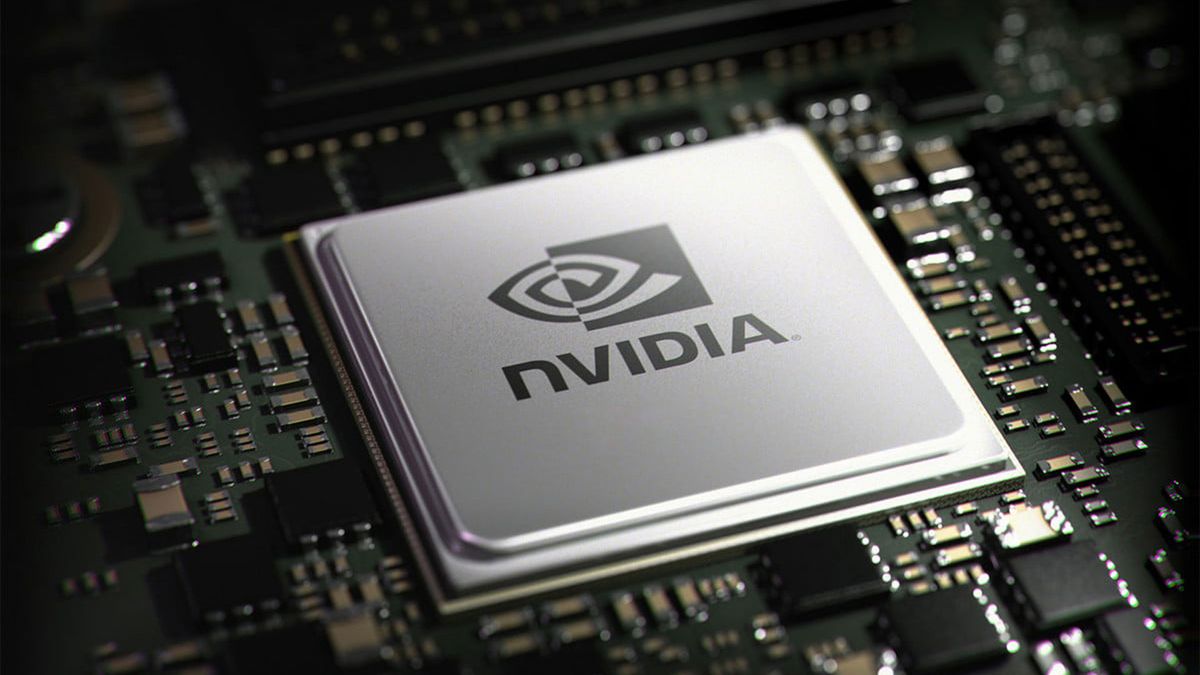
Nvidia has become one of the central players in the artificial intelligence revolution. Its advanced graphics processing units are used to train and operate many of the world’s leading AI models, making the company an essential supplier to technology firms investing in AI infrastructure.
What makes Nvidia particularly interesting is that its growth opportunity extends beyond the initial wave of AI enthusiasm.
Businesses are increasingly deploying AI for customer service, software development, healthcare applications, financial analysis, industrial automation, and other commercial uses. As these applications become more sophisticated, demand for computing power could remain substantial.
Nvidia’s second-quarter fiscal 2027 results demonstrated the scale of this opportunity. Revenue reached $96.2 billion, representing 106% year-over-year growth. Its data-center business generated $89 billion in revenue, increasing 117% from the prior year.
The company’s competitive advantage also extends beyond hardware. Its CUDA software ecosystem helps developers build applications around Nvidia’s technology, creating switching costs that can strengthen its market position.
That said, Nvidia is not without risks. Competition is increasing, major customers are developing custom chips, and the market has extremely high expectations for future growth.
Growth outlook: Nvidia remains a leading candidate for long-term AI-driven growth. Continued infrastructure investment, expanding AI applications, and strong demand for advanced computing could support further revenue expansion. However, investors should expect volatility as the market reassesses growth expectations and valuation.
Amazon (NASDAQ: AMZN): A Growth Story Beyond Online Shopping
<text color=”secondary” size=”sm”>Cloud computing | AI infrastructure | E-commerce</text>
Amazon is often associated with online shopping, but its growth story is increasingly tied to cloud computing and artificial intelligence.
Amazon Web Services, or AWS, provides the computing infrastructure businesses need to store data, operate applications, and develop AI systems. As organizations adopt AI at scale, AWS has an opportunity to capture additional demand for cloud services.
Amazon’s second-quarter 2026 results showed total revenue growing 20% year over year to $200.6 billion, while AWS revenue increased 37% to $42.2 billion.
The company also benefits from its ability to use AI internally. Better demand forecasting, inventory management, advertising optimization, and logistics systems could help Amazon improve efficiency across its operations.
This creates an interesting combination: Amazon can sell AI infrastructure to other businesses while using AI to strengthen its own business model.
Its expanding advertising business provides another source of potential growth, while its retail operations continue to benefit from scale and logistics advantages.
The main concern is capital expenditure. Building data centers and supporting AI workloads requires enormous investment. Investors will want to see that this spending translates into higher profits and sustainable cash flow.
Growth outlook: Amazon has multiple potential growth drivers over the next several years. AWS remains the most important AI-related opportunity, while advertising and operational efficiency could contribute additional earnings growth. Its ability to manage capital spending will be crucial.
Microsoft (NASDAQ: MSFT): Turning AI Into Everyday Business Productivity
<text color=”secondary” size=”sm”>Enterprise software | Cloud computing | AI applications</text>
Microsoft may have one of the most practical AI growth opportunities in the technology industry.
The company already serves millions of businesses through its software, cloud services, and productivity platforms. That established customer base gives Microsoft a natural pathway to introduce AI tools into everyday business operations.
Through Azure, Microsoft provides cloud infrastructure for AI applications. Through Microsoft 365 and its broader enterprise ecosystem, it is also developing AI-powered tools designed to improve productivity and automate routine work.
The opportunity is particularly attractive because businesses are increasingly looking for measurable benefits from AI. Companies want to reduce repetitive tasks, improve efficiency, and help employees accomplish more in less time.
Microsoft’s Azure and other cloud services revenue grew 39% year over year in its fiscal second quarter of 2026, reflecting continued demand for cloud and AI-related services.
Its existing customer relationships, recurring software revenue, and enterprise infrastructure provide a foundation that many smaller competitors cannot easily replicate.
However, Microsoft must also contend with rising infrastructure costs and intense competition in cloud computing. AI monetization will need to keep pace with investment for the growth story to remain compelling.
Growth outlook: Microsoft offers a diversified way to participate in AI adoption. Its cloud platform, enterprise software, and productivity tools create several avenues for growth, although the stock’s future performance will depend on execution, profitability, and valuation.
Why AI Growth Stocks Could Remain Attractive
The AI investment cycle is evolving.
Initially, the market focused heavily on the companies building the infrastructure needed to train advanced AI models. Now, attention is gradually expanding toward businesses that can use AI to generate revenue, improve productivity, and create new commercial products.
This transition could create opportunities across the technology sector.
Nvidia benefits from the demand for computing hardware. Amazon benefits from cloud infrastructure and the application of AI across its operations. Microsoft benefits from integrating AI into software and services that businesses already use.
The companies are not identical, and their growth trajectories will likely differ. However, each has a meaningful competitive position and exposure to long-term technology trends.
Investors should also remember that growth stocks can be sensitive to interest rates, economic conditions, and valuation changes. Even excellent businesses can experience sharp share-price declines when expectations become too optimistic.
The strongest investment opportunities often emerge when companies deliver consistent financial growth while maintaining reasonable valuations.
The Bottom Line: Growth Is About Execution, Not Excitement
Nvidia, Amazon, and Microsoft represent three different approaches to the AI growth opportunity.
Nvidia supplies the computing power behind many AI systems. Amazon provides infrastructure and uses AI to strengthen its diversified business. Microsoft brings AI into enterprise software and cloud services used around the world.
Their long-term opportunities remain substantial, but success is not guaranteed.
Investors should focus on revenue growth, earnings, cash flow, competitive advantages, and the price paid for each stock. The companies that successfully convert AI investment into sustainable financial results are likely to be better positioned than those relying solely on market enthusiasm.
The AI revolution may still be in its early stages, but the next phase will increasingly be about proving its economic value.
And that is where the real growth story begins.
Disclaimer: This article is for informational and educational purposes only and is not financial or investment advice. Nvidia, Amazon, and Microsoft are subject to market risks, competition, valuation changes, and business uncertainties. Past performance and current growth rates do not guarantee future returns. Investors should conduct their own research and consult a qualified financial professional before making investment decisions.